
What a residential studio should offer so that travel, shared living and creative work become part of one focused process.
Choosing a recording studio with accommodation in Spain is not simply a matter of finding a bedroom near a control room. A residential studio works when the living space, equipment, studio access and surroundings help an artist or band stay focused over several days.
For musicians travelling from another region or country, living where they work removes daily transport and lets each day revolve around the project. At Hueco Studio, a full house with a studio in Cantillana near Seville, the aim is exactly that: privacy, continuous access and enough time to listen, experiment and return to an idea without packing everything away.
How a residential recording studio differs from a normal booking
A standard studio session begins and ends at an agreed time. A residency also includes what happens between sessions: conversations over dinner, reference listening, writing, rest and decisions made away from the screen.
Its main advantage is continuity. The setup can remain in place, ideas do not have to be interrupted at the end of each day and the group can share one working rhythm. This is particularly useful for songwriting, producing an EP, finishing arrangements or recording a project that needs immersion.
Not every studio-and-accommodation package offers the same experience. Check whether you are renting a full private house or separate rooms, whether the studio is actually on the same property and what level of access is available outside staffed hours.
1. Privacy and exclusive use
Privacy directly affects creative freedom. When a band has exclusive use of the house and studio, it can organise sessions, meals, breaks and listening without adapting to unrelated guests.
Ask whether the accommodation is private, how many people can stay comfortably and whether any areas are shared. It is also worth confirming whether other sessions will take place at the same time. The Hueco house and studio are offered as one creative environment so each group can establish its own pace.
2. Real studio access and working hours
“Studio with accommodation” can describe very different arrangements. In some places, the accommodation is nearby but the studio still operates on fixed staffed hours. In others, residents can enter whenever they need to, within agreed noise and safety rules.
Confirm whether access is 24/7, whether the setup can remain patched and whether there are overnight volume restrictions. Continuous access does not mean working without rest. It means being able to capture a late idea, check a mix in the morning or leave a session ready for the next block of work.
3. Equipment, instruments and technical compatibility
A long gear list is not automatically the right gear list. Check whether the setup supports your workflow and whether the conditions of use are clear.
- DAW and session compatibility.
- Enough simultaneous inputs for the travelling lineup.
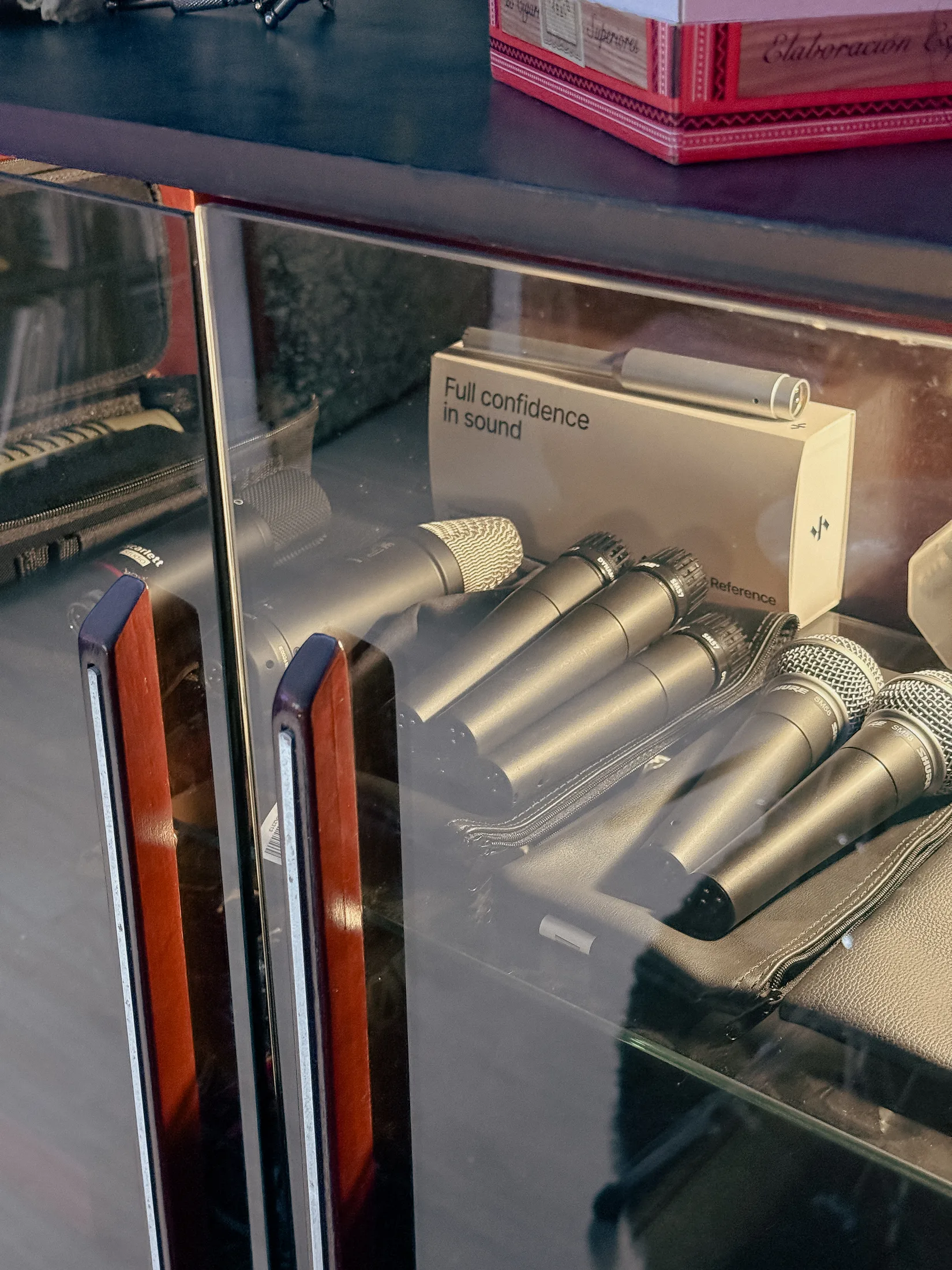
- Suitable microphones for vocals, drums, amplifiers and acoustic instruments.
- Reliable monitoring and headphone systems.
- Available instruments and their maintenance condition.
- Options for connecting your own computer, interface or hardware.
- Technical help when setting up on arrival.
Hueco’s online equipment and instruments list includes ADAM Audio monitoring, Focusrite interfaces, microphones, synthesizers, drums, guitars, amplifiers and creative production tools.
4. Space to live, rest and make decisions
A residency should not force everyone to spend the entire day in front of the monitors. Sleep, meals, conversation and time outside all affect creative stamina. An uncomfortable house can turn a promising week into a series of exhausted sessions.
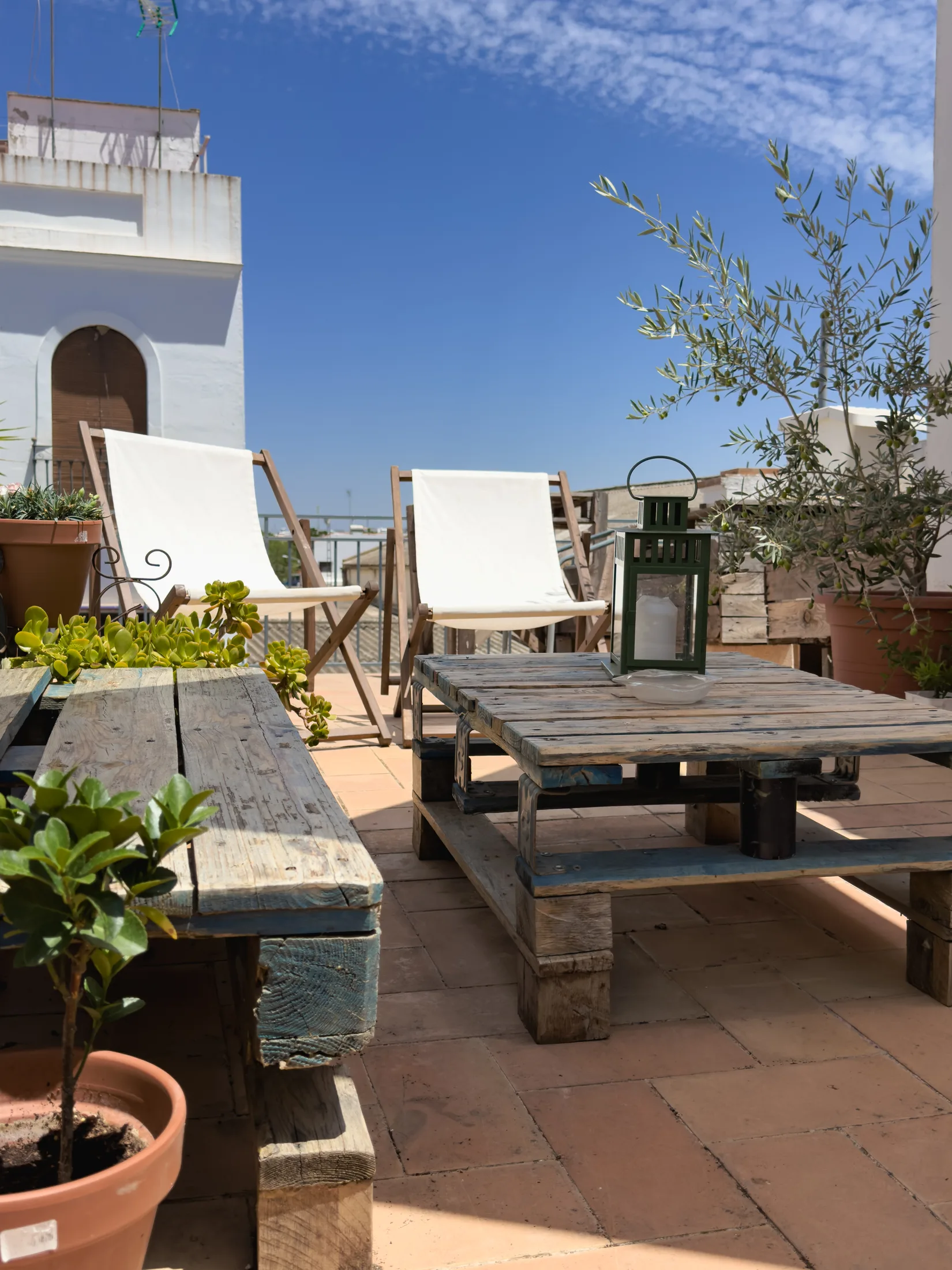
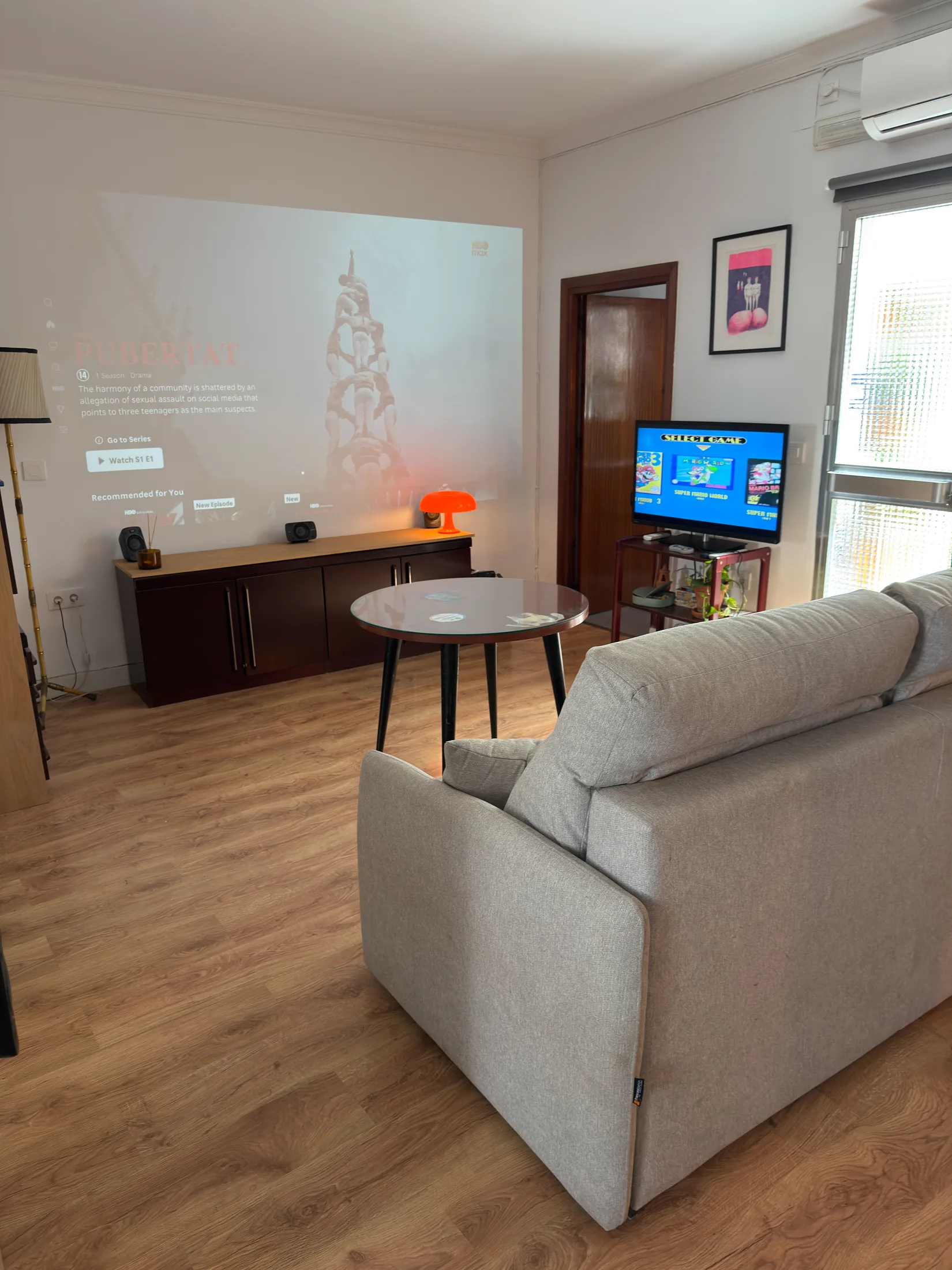
Review the bedrooms, kitchen, bathroom, common areas, internet, climate control and outdoor spaces. The Hueco Studio facilities are part of an Andalusian house with areas for resting and terraces, allowing the project to move between concentration, listening and downtime without leaving the property.
5. Location, transport and nearby services
A quiet location is valuable, but it should not create avoidable logistical problems. Before booking, check connections from the airport or railway station, whether a hire car is useful, where food can be bought and which services are available locally.
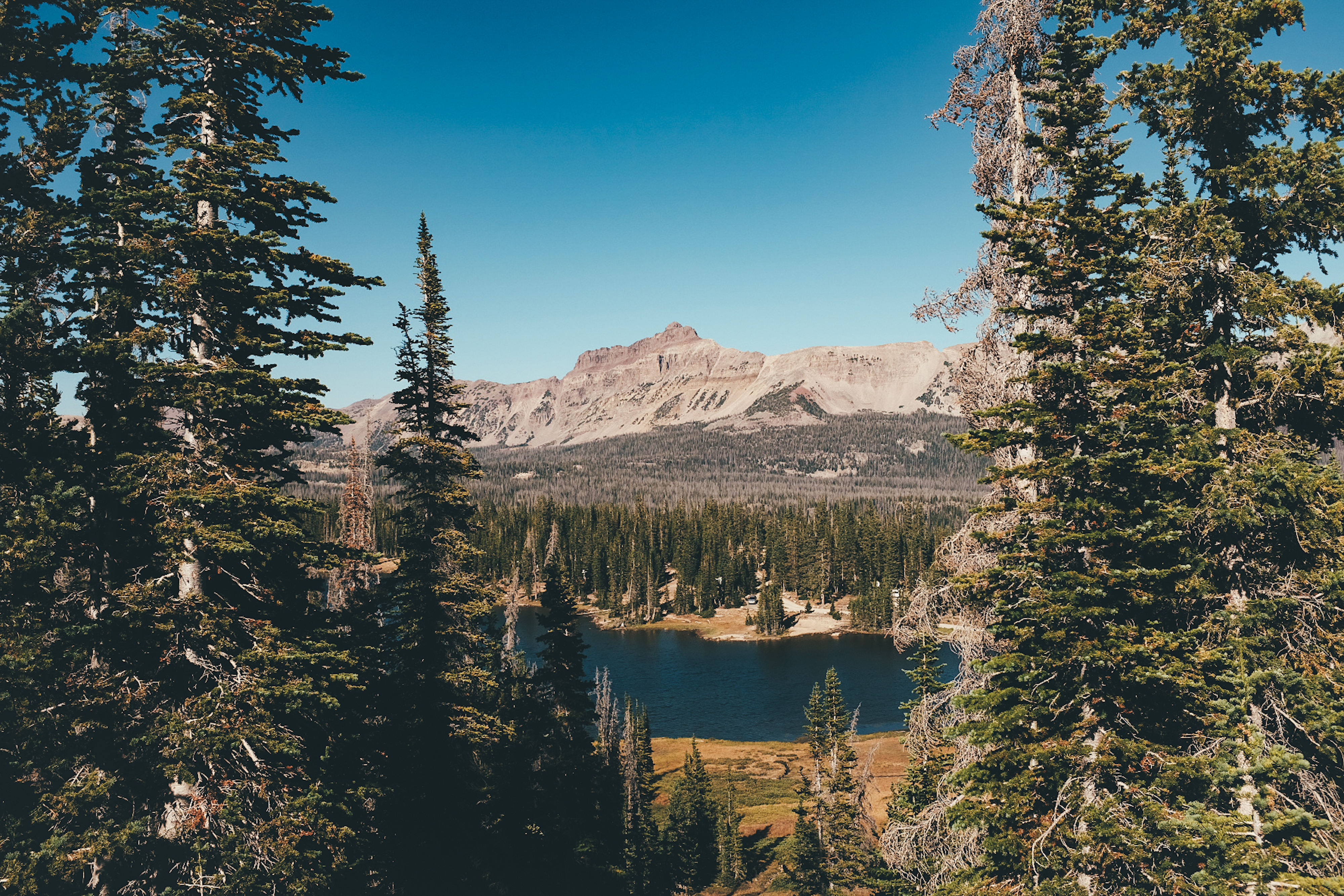
Cantillana offers distance from the pace of a large city while keeping Seville as the main arrival point and cultural reference. International groups should coordinate flights, instrument baggage and local transport before confirming dates.
6. Technical support without losing autonomy
Some residential studios are designed for fully self-sufficient producers; others include an engineer for every session. The right balance depends on the project. A producer travelling with a laptop may only need help with the initial routing. A band may want assistance for drum tracking and then work alone on edits and overdubs.
Ask what support is included, what it costs to add an engineer and whether staffed and unstaffed days can be combined. Hueco provides daily technical support, while recording, production, mixing and mastering services can be added where they genuinely help the project.
7. Compare the complete budget, not only the nightly rate
When comparing options, calculate the total cost of the stay. Include:
- Accommodation and studio access.
- Engineer or producer time where required.
- Cleaning, deposit and any additional fees.
- Transport to the property.
- Food and daily expenses.
- Rental of instruments not included in the package.
- Mixing, mastering or editing after the stay.
A residential studio can be more efficient than booking a hotel, daily transport and a separate studio. Compare the complete project rather than the accommodation price alone.
Questions to ask before booking
- Are the house and studio for our exclusive use?
- How many people can stay comfortably?
- Is studio access continuous?
- Which equipment is included and which items need permission?
- Is technical support available on arrival and during the stay?
- Can we record drums or a full band?
- Which files and backup drives should we bring?
- What are the booking, deposit and cancellation terms?
- How do we travel from Seville and where can we buy food?
The clearer the communication before travelling, the faster the creative work can begin after arrival.
A good residential studio gets out of the way
The right space does not impose one way of creating. It makes the technical, domestic and logistical parts simple enough for the project to remain at the centre of the stay.
Choose a place whose size, equipment, character and support match your working method. A well-chosen residency is more than a practical solution: it can become a recognisable part of the sound and story of the record.
Frequently asked questions
What is normally included in a recording studio with accommodation?
The package should clearly state accommodation, studio access, included equipment, technical support, common areas and any conditions of use.
Is a music residency only for recording?
No. It can also be used for writing, pre-production, rehearsal, sound design, editing, mixing or live-set preparation.
Do we need to travel with a producer or engineer?
Not always. Self-sufficient artists can work independently and add support for specific sessions. A band with limited technical experience may need more assistance.
How many days should we book?
Several consecutive days usually make the change of environment worthwhile. The best length depends on the goals, repertoire and level of preparation.
Next step
Looking for a private house and studio for your next project? Explore Hueco Studio’s residential rental and send your dates, group size and creative goals.