
A practical checklist for comparing rooms, equipment and working methods before investing time and budget in a recording.
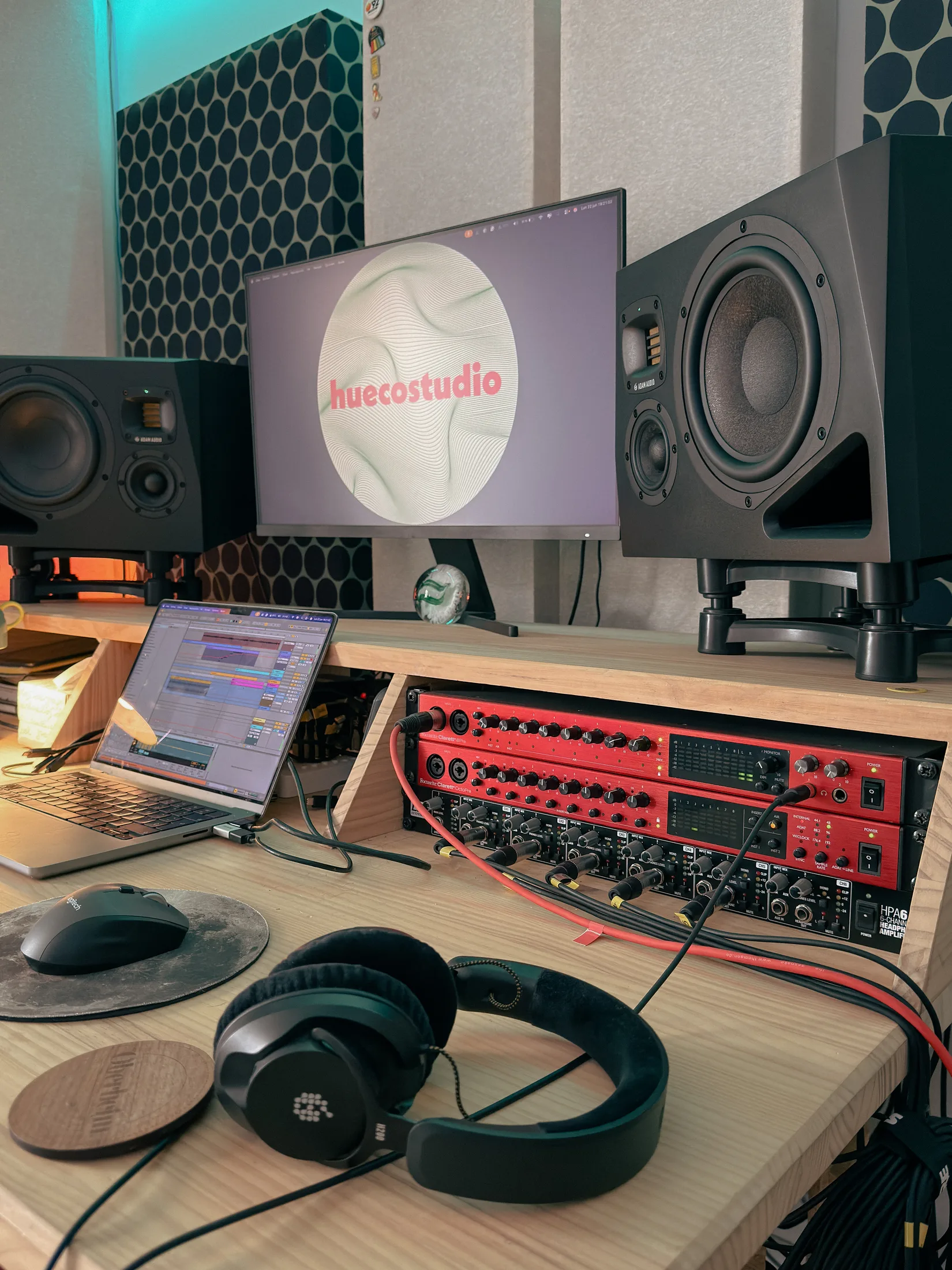
Choosing a recording studio in Seville should involve more than comparing microphone lists or hourly rates. The result also depends on the acoustics, comfort, the person running the session and the ability of the space to adapt to your music.
Seville and the surrounding province offer urban studios, specialist rooms, production spaces and residential options. The ten factors below will help you compare them. Hueco Studio is based in Cantillana near Seville and combines an equipped creative room, flexible rental and a house for residential projects.
1. Define the goal before searching
Recording vocals, a drum kit, a full band, a podcast or an album all require different spaces. Write down what needs to be finished, how many people are involved and which stages you want the studio to provide.
A clear brief prevents you from paying for resources you will not use and allows the studio to propose the right workflow. Separate room rental, recording engineering, production, editing, mixing and mastering.
2. Listen to work made in the studio
Photographs show the room; a portfolio shows how it is used. Look for recordings with lineups or approaches close to yours and listen for vocals, dynamics, depth and naturalness.
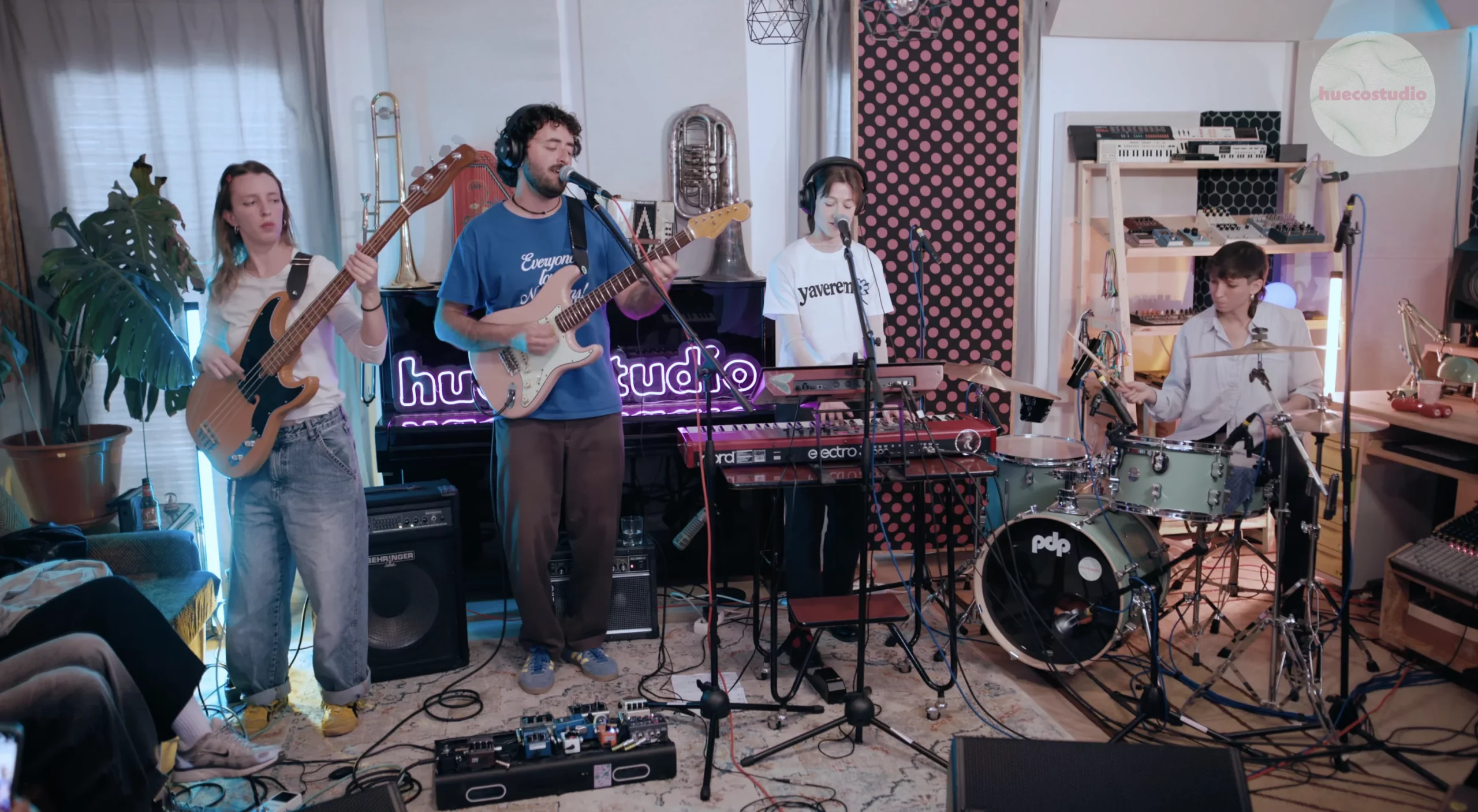
Not every project should sound the same. An extremely uniform portfolio may indicate that the method is being imposed on the artist. Hueco Sessions show bands performing in the actual space, with studio-produced audio and video.
3. Check that the room suits the lineup
Room size and acoustics should match the source. Vocals need control and comfort; drums need space and the ability to handle high levels; a live band needs enough separation and reliable monitoring.
Ask whether you can visit or send a stage plan. The online Hueco Studio facilities show the main room, work areas and additional spaces so you can assess the layout before booking.
4. Review the equipment you will actually use
Do not choose a room based on famous brand names alone. Check the functions your session requires:
- Number of simultaneous inputs and available preamps.
- Microphones suited to the main sources.
- Enough monitors and headphone mixes.
- Included amplifiers, drums, keyboards or synthesizers.
- Compatibility with your computer and sessions.
- Permission to bring your own equipment.
Review the current equipment and instruments list and confirm any essential item before paying a deposit.
5. Consider the person running the session
An engineer does more than place microphones. They organise the workflow, maintain focus, identify problems and help decisions happen without interrupting the performance. When production is required, look for someone who can discuss structure, sound and emotion as well as levels.
A short conversation usually reveals whether the working relationship feels right. Explain your references, how much creative input you want and how you prefer to receive feedback.
6. Ask exactly what the price includes
Two hourly rates may cover different things. Confirm in writing:
- Setup and breakdown time.
- Use of equipment and instruments.
- Engineer or producer.
- Editing and file preparation.
- Backups and session delivery.
- Mixing, mastering and revisions.
- Taxes and possible surcharges.
Hourly rental and full-day rental serve different needs. Compare the total process rather than one isolated number.
7. Pay attention to comfort and atmosphere
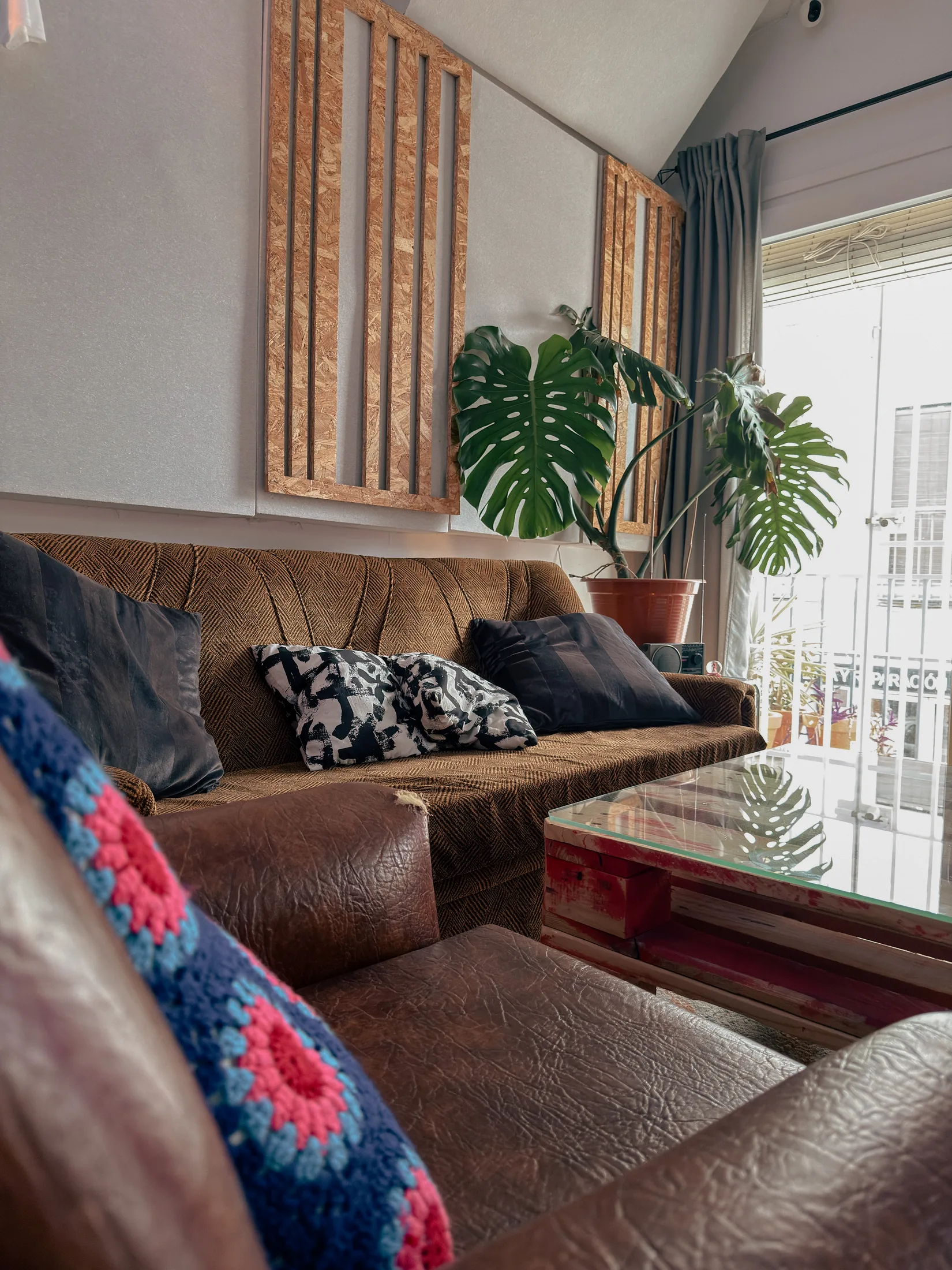
Performances improve when musicians can hear, move and rest. Light, temperature, privacy and common areas seem secondary until a session lasts eight hours.
The character of the room matters too. A studio may be technically excellent but still discourage experimentation. Visit, watch current videos or request a video call before a major booking.
8. Consider location and access
A city-centre studio may simplify short sessions; a quieter location may support long days and concentration. Consider transport, parking, loading instruments, food and accommodation.
Hueco Studio is in Cantillana in the province of Seville. The location provides a calm working environment and also supports a residential house-and-studio stay for projects that need several days.
9. Review file organisation and delivery
Ask which audio formats you will receive, how takes are named, whether complete sessions are delivered and how long backups are kept. Always bring your own drive and keep at least one additional copy of the project.
For remote collaboration, confirm sample rate, a shared start point for stems and the revision-note system. Good organisation can save many hours after recording.
10. Choose a studio that understands the complete project
The best option is not always the largest or most expensive. It is the one that provides what the project needs, communicates clearly and understands what the listener should feel.
Send a demo and discuss the intended result before deciding. The Services page shows how Hueco Studio can support recording, production, mixing, mastering, composition, sound design and audiovisual work.
Quick checklist before booking
- I have defined the result I need.
- I have listened to work made in the studio.
- The room and input count suit the lineup.
- The essential equipment is available.
- I know who will be present during the session.
- The quote explains what is included.
- The location and schedule are workable.
- I understand the file, revision and cancellation policies.
Frequently asked questions
Is a large studio always better than a small one?
No. A small, well-treated room may be ideal for vocals and production, while a band needs enough live space, inputs and monitoring.
Can I visit before booking?
It is recommended for larger projects. When that is not possible, request current photographs, videos, an equipment list and a technical conversation.
Should I choose a studio by its gear?
Gear matters, but so do acoustics, workflow, engineering and comfort. An impressive list cannot compensate for a poorly organised session.
What should I send when asking for a quote? A demo, number of songs, lineup, required services, preferred dates and sonic references are normally enough to begin.